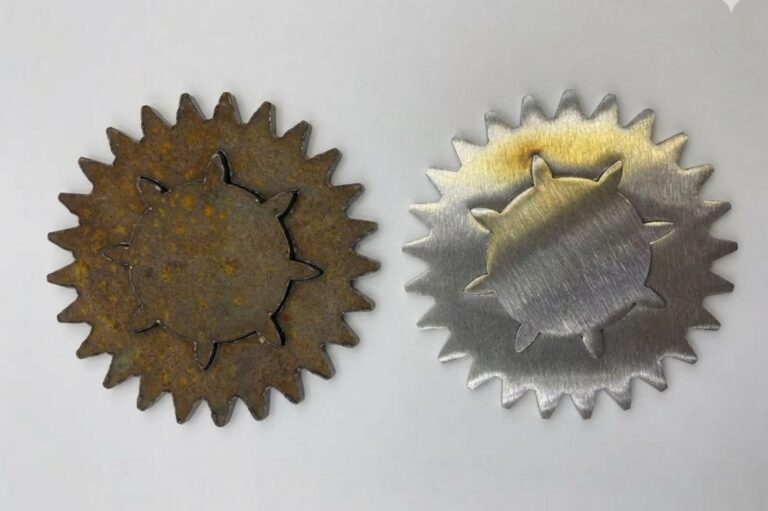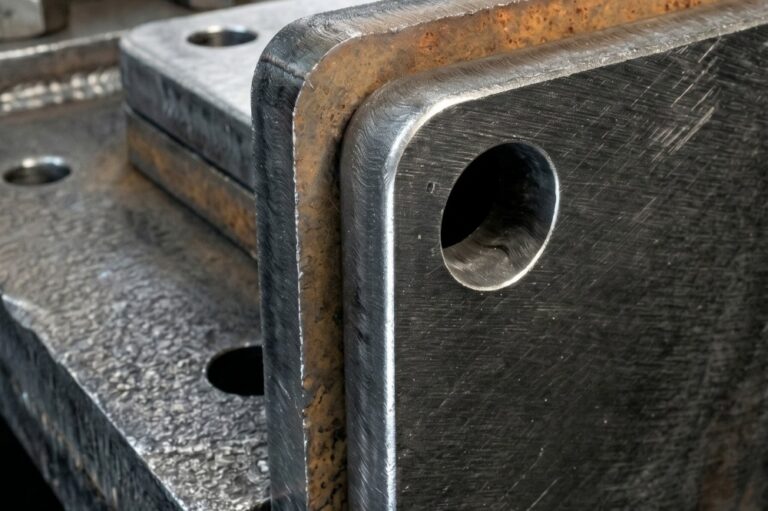
Starting such elaborate evaluation with respect to intelligent equipment created to perform deburring characterize modernized industrial functions, serving considerable progress towards speed and grade. Our overview details the varied types of systems, comprising scouring coating units, circular machines, and progressive digital devices. We will present the advantages of integrating these technologies, consisting of lessened employment costs, higher item uniformity, and heightened overall productivity.
Outline Trimming Machines: Correct Finishing Outlined
Rim polishing platforms offer a cutting-edge solution for obtaining spot-on finishing on objects. Differing from manual approaches, these computerized systems supply regular effects and decidedly boost fabrication capacity. Those units commonly implement various grinding appliances like rotary discs, finishing rotors, or exclusive profiles to reduce sharp borders and defects. These process is vital in a comprehensive set of industries, containing healthcare and instrumentation.- Improve finish quality
- Minimize processing fees
- Expand throughput and functionality
Slag Cleaning Equipment: Delivering Immaculate, Outstanding Textures
Present-day steelmaking practices consistently generate significant amounts of slag, a byproduct that, if ignored, can severely affect the appearance of the deliverable. Fortunately, advanced scraping systems offer a efficient solution. These specialized machines, employing techniques like scouring, are designed to thoroughly eliminate this unwanted material, ensuring a pristine and exceptional surface. The resulting upgrades include diminished rejection rates, refined aesthetic appeal, and an overall boost in output. By utilizing pioneering slag removal technology, manufacturers can consistently deliver top-tier surfaces and achieve stringent benchmarks.
Metal Sheet Completion: The Benefits of Deburring Mechanisms
Attaining a high look on sheet metal units is crucial for functionality, and deburring mechanisms supply substantial positives over conventional methods. Reducing burrs quickly not only elevates the overall quality of the material, but also blocks possible complications during putting together and deployment. Moreover, self-regulating deburring procedures improve operation speeds and lessen workforce fees.
Maximizing Sheet Metal Production with Automatic Deburring
For the purpose of amplify efficiency in sheet metal assembly, consider self-operating deburring systems. Physical deburring is often drawing-out and liable to irregularities. Employing automated deburring supplies substantial upsides, including decreased worker expenditures, superior assembly standards, and higher manufacturing yield. Such acquisitions are likely to quickly deliver value.Opting for the Perfect Deburring System for Your Assignment
Recognizing the most suitable deburring tool for your customized needs is a comprehensive assessment of several criteria. Preliminarily, consider the nature of component you're controlling – aluminum requires unique techniques than polymer. Thereafter, weigh the measurements and shape of the pieces needing burr removal. Ultimately speaking, contemplate your fabrication amount; a extensive operation asks for a custom type of machine than a low-volume one. Neglecting to consider these elements could produce deficient results and augmented charges.
Edge System Process: Changes and Improvements
Contemporary edge trimming apparatus procedure is encountering rapid progress, caused by the insistences for enhanced exactness and performance in fabrication operations. Key trends comprise the merging of digital apparatuses for modifiable surface refining functions, alongside progress in brush device. We're besides tracking a surge in handheld deburring tools adapted for targeted uses, and innovative systems like magnetic burr trimming are gaining support. The trend suggests towards strengthened association of surface refining systems within the networked manufacturing site setting.
Strengthening Non-ferrous Component Strength with Border Rounding
Many constructing processes for iron parts introduce sharp edges, which can create stress spots and weaknesses that weaken overall strength. Edge rounding, a simple yet influential method, offers a straightforward solution. It demands slightly smoothing the acute edges of a segment during the machining stage. This minimizes stress clusters, strengthens fatigue strength, and can prevent splitting. Benefits are further amplified when dealing with complex patterns or parts subjected to high strain. Considerations include the relevant arc of the smoothed side and its consequence on integration with other units.
- Declines Stress Areas
- Enhances Endurance Resistance
- Stops Damaging
Dross Disposal vs. Edge : Grasping the Discrepancies
While many technicians use the designations “slag Edge Rounding cleaning” and “deburring” without distinction, they indicate distinct processes in metal production activities. Deburring focuses on cleaning the sharp, often tiny, extrusions created during milling operations—these are excess substance of ferrous left on the segment. Residuum removal, conversely, addresses such leftover – typically a fusion of chemicals – that appears during processes like forging. Essentially, deburring deals with remaining brims, while slag eradication deals with one byproduct of a separate process. In brief, programmable deburring and byproduct removal mechanisms are essential components of modern metal manufacturing that guarantee superior finished products with lessened defects and maximized efficiency.Concluding the review points out the significant role of leading automated deburring technologies in modernizing engineering guidelines and driving businesses gain boosted productivity and finish.