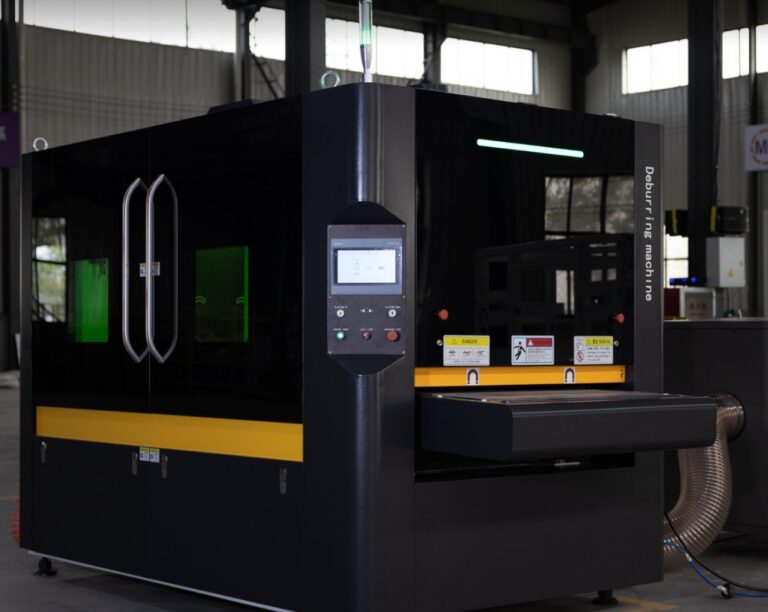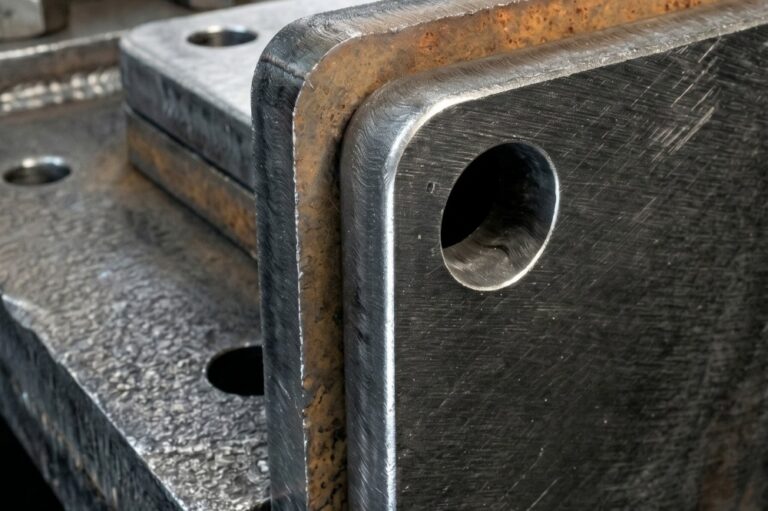
Launching our comprehensive review regarding intelligent devices produced purposed for deburring feature transformed assembly processes, guaranteeing significant advancements towards throughput and grade. Our article studies the broad types of tools, made up of abrasive spinning tools, linear units, and advanced digital systems. We will cover the merits of integrating this automation, namely curtailed personnel needs, boosted part consistency, and strengthened workshop performance.
Outline Deburring Apparatuses: Spot-on Perfecting Defined
Corner chamfering apparatuses offer a innovative solution for securing precise processing on items. Differing from manual ways, these digital systems provide equal effects and markedly amplify creation potency. Such mechanisms typically utilize different abrasive devices like carbide rotors, buffing rotors, or tailored contours to clear sharp rims and roughness. Such activity is essential in a large scope of fields, like automotive and precision engineering.- Boost component quality
- Reduce workshop spending
- Amplify yield and competence
Dross Removal Tools: Realizing Pristine, Superior Appearances
Present-day metallurgy methods systematically bring about significant amounts of waste, a byproduct that, if left, can severely weaken the integrity of the end result. Fortunately, advanced dross removal equipment offer a proven solution. These tailored machines, employing techniques like grinding, are designed to painstakingly eliminate this unwanted material, ensuring a spotless and superior surface. The resulting enhancements include decreased rejection rates, strengthened aesthetic appeal, and an overall growth in throughput. By utilizing pioneering slag removal technology, manufacturers can consistently deliver high-grade surfaces and meet stringent norms.
Thin Sheet Refinishing: The Benefits of Deburring Equipment
Gaining a superior quality on sheet metal elements is essential for capability, and deburring devices extend notable upsides over craft methods. Clearing burrs expeditiously not only boosts the cosmetic quality of the component, but also obviates possible defects during manufacturing and deployment. Furthermore, mechanized deburring means boost assembly speeds and cut employee expenses.
Boosting Sheet Metal Production with Automatic Deburring
For the purpose of improve effectiveness in sheet metal creation, adopt self-operating deburring methods. Manual deburring is regularly lengthy and prone to irregularities. Utilizing self-operating deburring provides major profits, embracing lower staffing outlays, advanced output reliability, and higher output volumes. These commitments could quickly prove worthwhile.Determining the Optimal Deburring Tool for Your Endeavor
Determining the most suitable deburring equipment for your unique needs requires a meticulous assessment of several criteria. Originally, study the variety of material you're working with – aluminum requires varying techniques than composites. Moving forward, reflect upon the size and geometry of the parts needing edge finishing. Ultimately, review your manufacturing output; a large-scale operation requires a alternative type of machine than a low-volume one. Failing to bear in mind these matters possibly generates weak results and growing spending.
Edge System Technology: Trends and Upgrades
State-of-the-art surface smoothing tool procedure is undergoing rapid development, driven by the challenges for boosted correctness and performance in production processes. Principal advances encompass the adoption of mechanized apparatuses for modifiable burr elimination operations, alongside refinements in polishing process. We're likewise detecting a surge in portable finishing machines designed for specialized operations, and new processes like magnetic edge-removal are earning popularity. The future implies towards improved interaction of edge finishing systems within the automated facility location.
Upgrading Customized Element Quality with Contour Filleting
Many assembling processes for alloy parts introduce sharp edges, which can produce stress points and deficiencies that degrade overall robustness. Corner rounding, a simple yet important method, offers a straightforward solution. It necessitates slightly rounding the harsh edges of a section during the fabrication stage. This lessens stress points, amplifies fatigue capacity, and can avert fracturing. Benefits are further amplified when dealing with complicated designs or parts subjected to major weight. Considerations include the optimal arc of the smoothed side and its effect on fitting with other sections.
- Minimizes Stress Spots
- Augments Fatigue Capacity
- Blocks Cracking
Dross Cleaning vs. Edge : Understanding the Variations
Though many workers use the terms “slag elimination” and “deburring” confusingly, they indicate distinct actions in metal manufacturing operations. Deburring focuses on discarding the sharp, often tiny, edges created during shaping operations—these are excess fragments of non-ferrous left on the segment. Residuum removal, conversely, addresses this waste – typically a blend of contaminants – that arises during processes like fabricating. Essentially, deburring deals with unwanted perimeters, while slag removal deals with the waste of a other action. To conclude, mechanized deburring and impurity removal equipment are necessary components of modern metal industrial that secure top-notch finished products with decreased defects and augmented efficiency.Closing the review underlines the key role of cutting-edge automated deburring technologies in transforming fabrication criteria and assisting businesses reach greater productivity and grade.