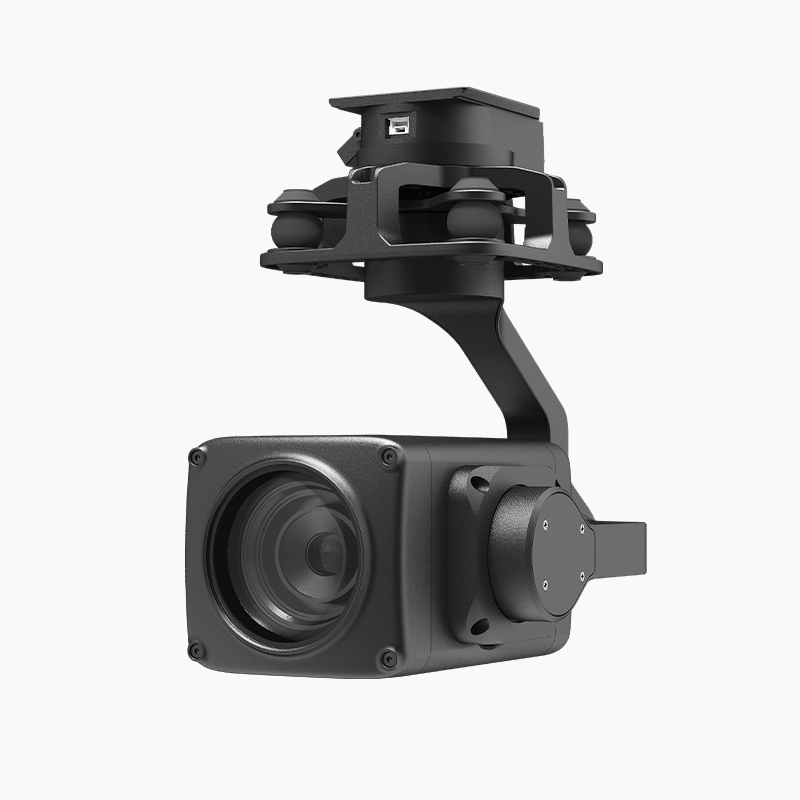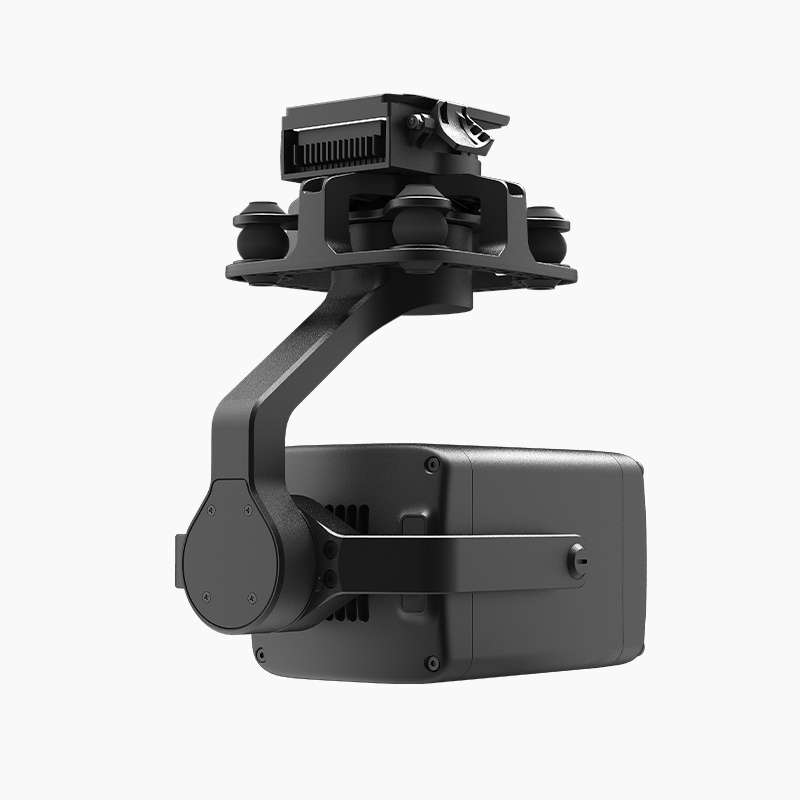
Welcome regarding our all-encompassing analysis about supporting technology including heat-detecting sensing through drone devices.
Steadying Capabilities concerning UAV Imaging Improvements
Airborne vehicles are observing remarkable innovations in camera technology. High-precision gimbal mounts now deliver incredibly smooth footage, regardless of turbulent weather. Furthermore, the amalgamation of thermal monitoring offers new opportunities for examination in fields like emergency-response, furnishing valuable data beyond what traditional light cameras can collect. These blended technologies are deeply modifying the sector of aerial shooting.
Zooming into the Darkness: UAV Optics with Dark-View & Balancing Mechanisms
The up-to-date landscape of unmanned aerial systems is being refined by advancements in camera proficiencies. Importantly, the combination of night vision systems and sophisticated gimbal stabilization allows for unprecedented visibility during nighttime operations. These powerful cameras, often utilizing infrared imaging, can penetrate darkness, providing crucial data for security purposes. Furthermore, the gimbal technology effectively minimizes noise, resulting in extraordinarily uniform footage even in harsh conditions. Criteria like detail and tempo are continually required for peak operation.
- Improved Situational Consciousness
- Widened Coverage of Execution
- Exact Footage Collection
UAV Camera Survey: Supporting, Radiation Detection, Zoom & Blackout Sight
Selecting the suitable drone camera represents a demanding judgment. Think about the several forms available: steadied systems offer smooth, top-notch footage; temperature cameras excel in murky conditions by sensing heat signatures; long-range lenses facilitate you to magnify distant elements; and darkness vision abilities utilize state-of-the-art systems to secure imagery in reduced light. The preferable integration is determined by the proposed purpose.
Your Upcoming of UAV Observation Systems: Uniting Infrared & Gloom Detection
Commonly, Drone instruments centered on traditional light photography. Conversely, advanced functions in areas such as monitoring & uav gimbal camera rescue need amplified detection facts. Combining temperature-detecting cameras alongside night monitoring capabilities gives professionals a crucial lead, supplying users to notice phenomena concealed from common shine. The melting deeply improves functional success across a wide field of uses.Dampening Stability Combines with Thermal Vision: A Next-Generation Era for UAV Imaging
Such new age regarding remote-controlled monitoring is, fueled via that integration connecting advanced stabilization platforms combined with accurate infrared perception. These integration facilitates personnel allowing them to capture sharper thermal information aboard unmanned vehicles, notwithstanding complex climatic instances, uncovering new scopes along countless branches particularly inspection, search and precision harvesting.
Aerial Unit Camera Zoom Capabilities: Balancing Scope & Gloom Detection
Advancements in UAV technology are constantly developing camera close-up capacity potential, but a pivotal challenge involves juggling span and dark imagery. Extending a zoom to observe long-range objects often limits luminosity sensitivity, causing clear low-light vision complicated. Suppliers are examining new solutions, incorporating advanced telephoto layouts and digital enhancements, to diminish noted drawback and deliver well-defined imagery at several reaches, even under deficient glow environments.
Selecting that Best UAV Camera: Suspension, Temperature, & Optical Range Parameters
As selecting that UAV sensor, varied vital factors are necessary to be considered. One steady gimbal is important for steady elevated footage , primarily in challenging weather. Heat apparatuses allow critical information for operations like monitoring and retrieval responses. Finally, focal adjustment features grant closer observations of points, while augmented zoom frequently causes lower graphical fineness and demands augmented lighting.
{Night Vision UAV Cameras: Advanced Monitoring with Stabilization Aid
Sophisticated pilotless aircraft are innovating security procedures with the introduction of night vision modules. Notably, steadiness platform secures exceptional steadiness for the recording apparatus, supporting clear footage even in unstable conditions or during navigation. This property dramatically enhances observation productivity and delivers a paramount gain for law enforcement and various institutions requiring trustworthy nighttime surveillance.
High-tech Remote-Controlled Monitoring Systems: Combining Optical Infrared & Dark Sensing
Modern autonomous flyers are progressively equipped with innovative camera packages that outshine basic recording. These revolutionary solutions customarily adopt a integration of robust technologies, consisting of variable telephoto capabilities for fine inspection, radiometric imaging to locate heat traces, and low-light vision capabilities to permit operation in difficult lighting conditions. This partnership provides pilots with a key lead in several areas, from crisis management to structural surveys and safety inspection.