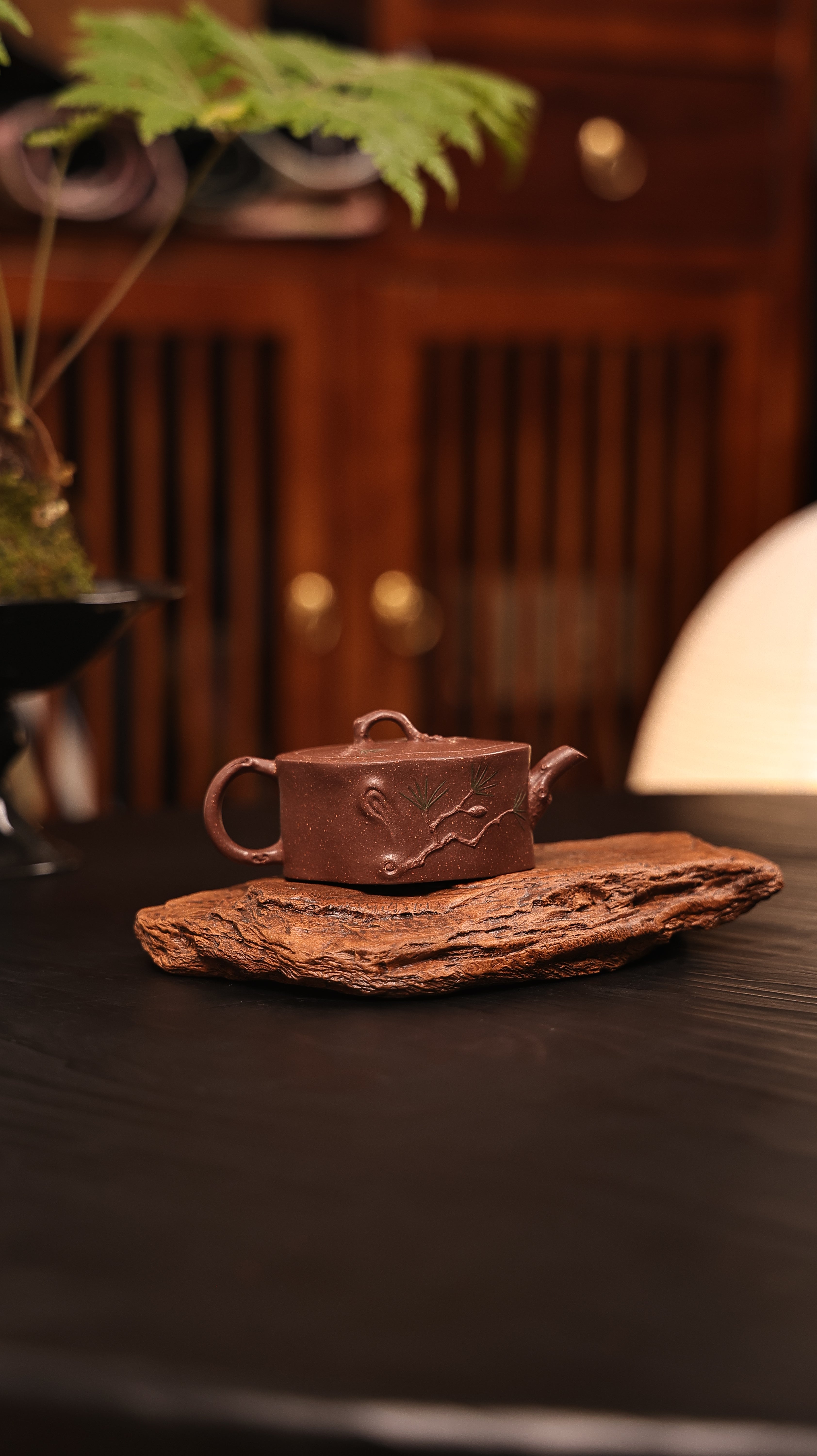
Kicking off such complete inspection concerning Ising Tzu-sa clay vessels presents an captivating combination with craftsmanship alongside performance.
Eysing Tz'u Sha brewing containers boast one exceptional attraction among collectors internationally. The fascinating ceramic pots, sourced from the specific Yixing location close to Jiangsu administration, China, stand as more than just brewing instruments; they are recognized as works artistic beauty and historical significance. Special finely sorted clay, known referred to as Zisha, imparts a refined flavor upon the tea, and the intricate designs, often casting traditional Chinese elements, boost their intrinsic value. Possessing a genuine Yixing Zisha teapot presents a gratifying journey, demanding careful inspection and an cognizance of the diverse factors influencing their specialness.
Investigating Yixing Clay Pots
Yihsing pottery vessels boast a storied history deeply interwoven with Chinese civilization. Originating in Yixing, Jiangsu area, these pots are crafted from a unique, porous purple dirt found only in that specific location. Their advancement began during the Ming time, with master craftspeople refining the means over ages. Various types persist, including the classic Hexiang (resembling crab shells), Zhuni (red-brown hue), and Duan Ni (stone-studded) – each with distinctive traits. The cost of an Yixing ceramic vessel isn't solely based on its size or ornamentation, but also on the designer’s reputation, the soil's quality, and the teapot's age and condition. Yixing Teapot Devotees often seek out older examples, believing they impart the character of the beverage brewed within them over time, further adding to their distinction.- Crab Shell Ceramic Pots
- Red-Brown Ceramic Pots
- Stone-Studded Ceramic Pots
Zisha Teapot Mastery: Artistry & Systems
The manufacture of Zisha teapots represents a culmination of Chinese ceramic expertise. Seasoned artisans employ traditional techniques, often passed down through ancestry, to unlock the full quality of this unique clay. Processes involve meticulous crafting by hand, often combined with the coiling method, followed by precise drying at incredibly strong temperatures in wood-fired kilns. Embellishing is equally crucial; craftsmen utilize unprocessed clay colors and may incorporate sculpting work to depict intricate scenes or patterns, demonstrating a profound insight of the material’s capabilities and capability. The outcome teapot isn't merely a vessel for tea, but a testament to a lasting cultural heritage.
Ancient Earthenware: Distinct Overview to Ising Zi-sha
Studying the world of a teapots regularly originates with Yixing Zisha. These rare clay vessels are manufactured from a distinct type of clay obtained only in the Yixing region of Jiangsu province. Famous for its unique reddish-purple hue and exquisite aspects, Zisha clay delivers a mild flavor to the tea and enhances with age, turning into a cherished gem. Amassing Yixing Zisha earthenware is more than just acquiring a beautiful object; it’s a celebration of heritage and skill.
Delving into this Earthenware: Legitimacy & Advancement
Investigating the sphere of Yixing Zisha earthenware can be absolutely fruitful, but entails a careful cognition. Validity is required; multiple counterfeits are available, commonly expertly manufactured. Informing oneself about conventional heating processes, unique clay characteristics, and the stamps of esteemed creators is thoroughly important. In addition, recognizing the nuances of the progression course – influenced by reasons such as artistic importance and the status of the component – is vital to sound investing.
- Scrutinizing heating origins.
- Consulting authorities for endorsement.
- Analyzing market variations.
One Craft of Formulating with a Earthen Vessel
Such unique allure of a Zisha tool lies not just in its stunning appearance, but also in its profound impact on the bouquet of the infusion. These ancient clay ceramic pots, sourced from certain regions of China, possess a basic porosity that softly interacts with the water and leaves, imbuing the libation with a refined character. Mastering the craft requires a careful approach, understanding how the clay responds to varied heat levels and botanical types, ultimately leading to a authentically rewarding imbibing process.
Sustaining One's Treasure
Proper handling of your Yixing teapot is important to preserving its usefulness. These distinctive teapots, crafted from unique Yixing clay, exhibit a sheen over ages that increases their merit. Frequently rinse the inside surface with clean water, avoiding soapsuds, and never use powerful scrubbing tools. Some gentle buffing with a soft cloth can support in doing away with residue. Allow your urn to properly dry once each infusion
Decoding Terracotta: Elements Yixing Clay Pots Exemplify Unique
The acclaimed appeal of Yixing teapots emerges from the distinctive properties of Purple clay, extracted solely near Yixing, the Memorable Chinese region. This exceptional clay, classified as ferruginous mud , possesses a unusual combination of substances that, after aging, receive the taste of the infusions it houses. This causes a remarkable taste experience for each vessel, providing it a price far surpassing its initial price and leading to their respected status among aficionados.
Selecting the Best Ancient Kettle: A Pottery Guide
Venturing into the world of Zisha clay teapots can feel daunting, but understanding the essentials is crucial to picking a valued piece. That kind of clay, sourced principally from the Yixing vicinity, the Jiangsu zone, is acclaimed for its unique porosity and ability to improve the savor of the liquor over stretch. Appraise the outline, the brightness, and the artistry; a bona fide Zisha teapot is more than just a urn; it's a decorative object and a manifestation of historic culture. Seek the inscription of the maker for clues to its provenance and potential worth.