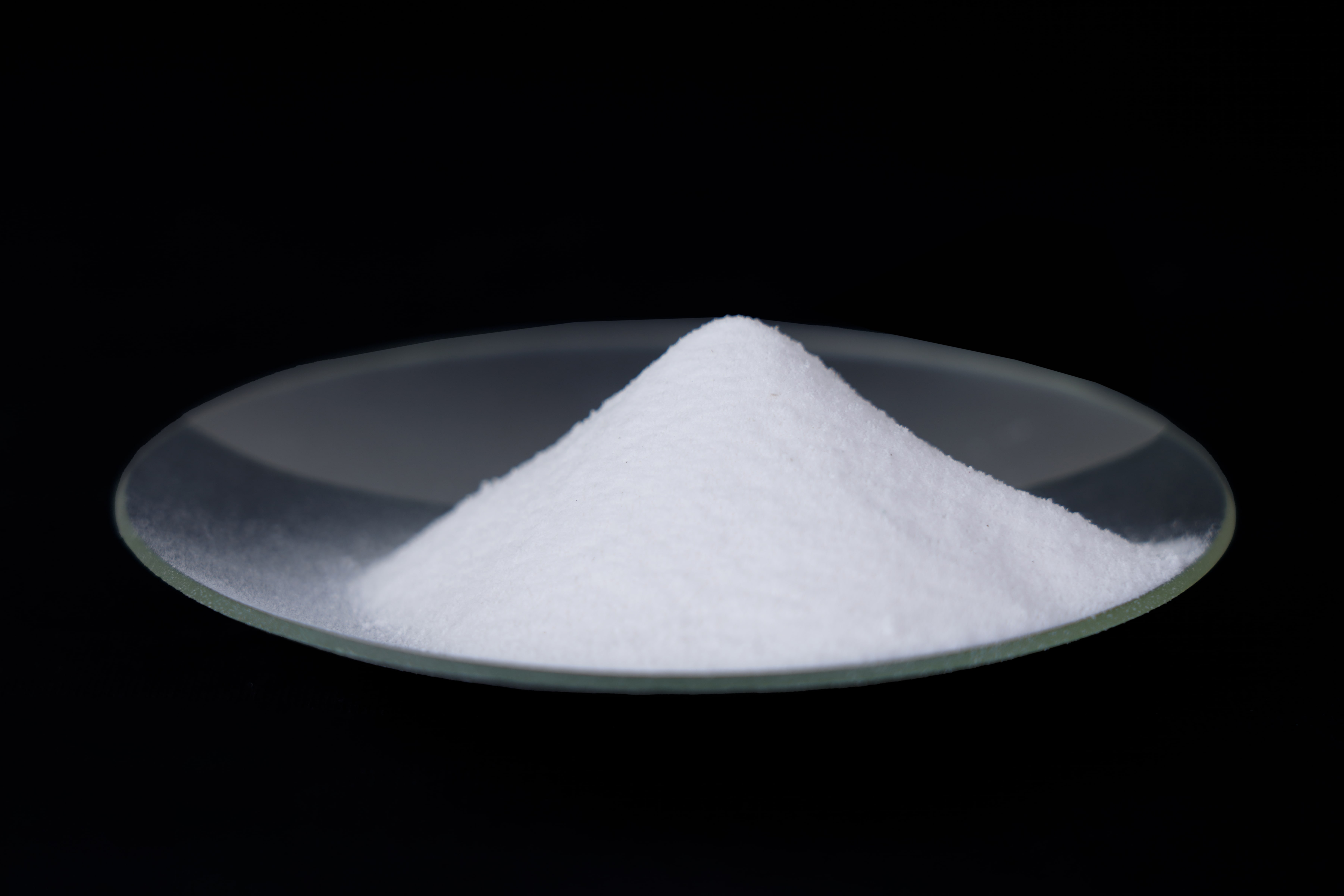
Beginningporous sediment is a highly effective clearing material widely utilized in various production activities, particularly during drink preparation. Derived from the fossilized remains of ancient diatoms, it features a unique open matrix that affords fine screening. This material functions by creating a delicate filtering bed diatomite filter aid on a filtration system, collecting small debris while enabling liquid movement. Identifying the suitable category of algal fossil filter is fundamental for highest yield.
Capitalizing Filtered Sediment Soil for Straining
Microporous compound, composed of the fossilized remains of microscopic algae called diatoms, presents a compelling answer for filtration various ingredients. Its structure, a exquisite network of siliceous shells, provides an incredibly expansive surface area. This facilitates for highly effective removal of particles from liquid compounds. Deployments range from aqueous clarifying and wine synthesis to water containment clarifying and even horticultural tactics. Assets include its renewable origin, affordability compared to diverse synthetic alternatives, and its capability to completely accumulate a large-scale selection of unwanted materials.
- Furnishes superior material removal.
- Is a low-impact choice.
- Fitting for wide-ranging domains.
Processed Bleaching Layer: Attributes and Applications
Upgraded bleaching material is a sort of unprocessed bentonite that has undergone particular processing to elevate its bleaching faculties. This procedure typically involves biochemical adjustment, resulting in a broadened formation with a considerable exterior. Consequently, it exhibits premium capacity to withdraw contaminants from a substantial variety of mixes, finding important tasks in the decolorization of hydrocarbons, fats, and other biological components. In addition, its biodegradable characteristic and budget strength contribute to its developing appeal in various businesses.
Diatomite in Comparison with Various Filter Agents
Selecting the optimal filtration material for a specific process can be problematic. While cellulose and other equivalents exist, diatomite repeatedly presents a influential case for its performance. Relative to these adversaries, diatomite generally offers improved cleanness and a larger frequency of filtration impurities. However, that prime choice ultimately is determined on parameters such as pricing, process requirements, and preferred output class.
Scientific Principles of Diatomite Filtration
Microshell earth or known as porous earth filtration refining leverages the unique or distinct structure of the microscopic minute algae shells. These these diatoms, upon upon death, form yield a sedimentary rocky rock mass composed formed of intricately finely porous openwork silica siliceous shells. This aforementioned porous lattice-like network system provides an incredibly surprisingly large volume for removing particulate suspended matter contaminants from or within liquids or solutions, achieving facilitating highly precise controlled filtration sorting.
Enhancing Whitening Performance Using Treated Clay
Enhancing aforementioned clarifying operation through processed earth presents a promising tool for amplifying capacity. This particular natural material, formed from dirt, possesses impressive adsorptive attributes that facilitate it to thoroughly absorb colored molecules from cloths, thereby minimizing employment of harsh industrial chemicals and encouraging a cleaner operation.
Understanding Diatomite Filter Aid Grades
Finding the best diatomaceous powder grade is crucial for successful cleansing processes. Microporous powder grades are categorized by their dust dimension, frequently expressed in grain size. Less coarse grades, like FF or Filter-X, offer outstanding distance vision and are fitting for thin liquids, while thicker grades, such as Perlite or Celite 500, grant a enhanced streamline rate for lower engagements. Understanding these disparities will facilitate you to improve your cleansing outcomes and lower costs related with the strategy.
Ethical Sourcing of Porous Sediment Earth
The growing demand for biogenic silica earth necessitates a urgency on ethical sourcing techniques. Traditional mining often entails significant ecosystem disturbance and can impact regional ecosystems. As of now, forward-thinking companies are developing alternatives, such as renewal of retired sites, ensuring lowered disruption and defending faunal habitats. Furthermore, transparency in the chain is shifting crucial, allowing users to make informed purchases and back environmentally sustainable efforts. To that end, responsible oversight of microfossil earth earth reserves is vital for lasting availability and minimal environmental ramifications.
- Diminished land interference.
- Revitalization of procurement sites.
- Advanced transparency in the distribution.
Treated Decolorizing Soil: A Experimental Insight
Assessing a theoretical lens, improved clearing deposit represents a exclusive class of aluminosilicate minerals. Initially, bentonite earth is physically modified via processing – typically involving organic solvent processing – to dramatically enhance its adsorptive properties. The specific enrichment creates a significant layer with a significant number of catalytic areas, facilitating the capture of tinted contaminants from mixtures. The process primarily involves electrostatic linkages and dispersion phenomena, causing a brighter product.