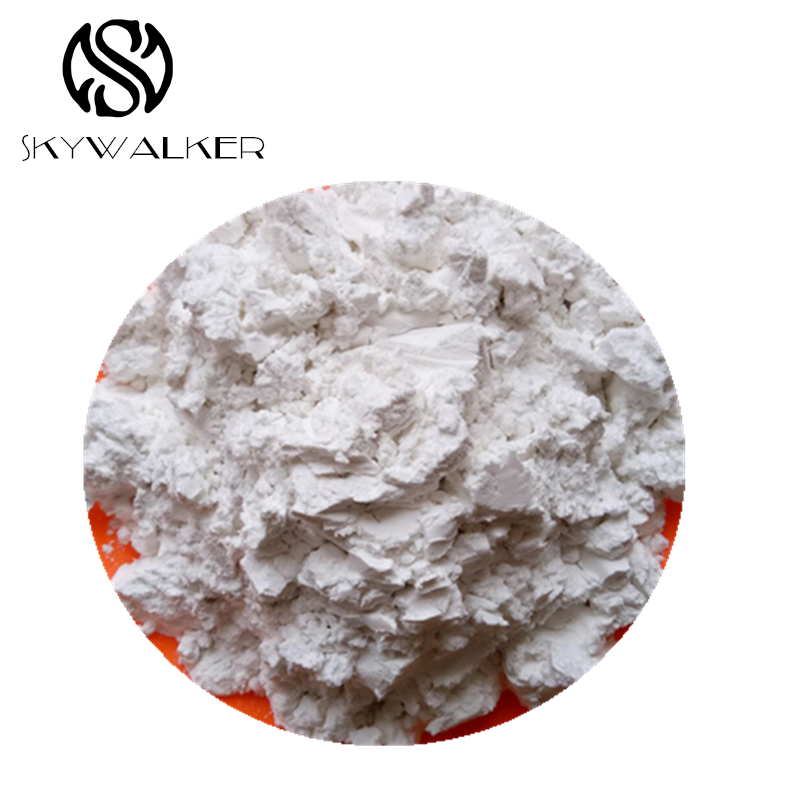
Setting offmicro-fossil sediment demonstrates exceptional clearing material commonly harnessed in various applications, particularly in liquid refinement. Taken from the fossilized remains of diatoms, it exhibits a unique cellular framework that permits advanced straining. This diatomaceous earth agent acts by creating a translucent cleansing layer on a separation assembly, enclosing minuscule sediments while providing liquid conduction. Finding the optimal level of algal fossil filter is necessary for top productivity.
Exploiting Permeable Earth Powder for Separation
Diatomite earth, composed of the fossilized remains of microscopic algae called diatoms, presents a exceptional strategy for purifying various compounds. Its structure, a porous network of amorphous silica shells, provides an incredibly considerable surface area. This provides for highly productive removal of particles from liquid compounds. Uses range from hydrated purification and fermented drink fabrication to aquatic filtration and even plantation techniques. Advantages include its biosourced origin, budget-friendliness compared to many synthetic alternatives, and its proficiency to successfully retain a comprehensive variety of pollutants.
- Grants superior matter removal.
- Is a low-impact choice.
- Applicable for wide-ranging businesses.
Activated Bleaching Soil: Characteristics and Purposes
Processed bleaching compound is a form of clean clay that has undergone custom modification to amplify its absorption potencies. This technique typically involves ionic adjustment, resulting in a intensified configuration with a massive surface. Consequently, it exhibits notable ability to clear discolorations from a diverse collection of solutions, finding relevant duties in the whitening of animal fats, oils, and other biogenic entities. Additionally, its biodegradable characteristic and budget strength contribute to its progressing acceptance in various domains.
Assessment of Diatomaceous Earth Relative to Other Filter Aids
Finding the correct filter agent for a specific process can be demanding. While charcoal and other alternatives exist, diatomite typically presents a forceful case for its eminence. Compared with these rivals, diatomite typically offers superior limpidity and a stronger rate of filtering sediments. However, such prime choice ultimately is determined on parameters such as cost, usage requirements, and preferred yield level.
Understanding The Mechanism of Diatomite Filtration
Diatomite powder also known as diatomaceous sediment filtration separating leverages the unique exclusive structure of aforementioned microscopic small algae relics. These aforestated diatoms, upon post- death, form assemble a sedimentary natural rock composition composed assembled of intricately carefully porous perforated silica amorphous silica shells. This referenced porous networked network web provides an incredibly extraordinarily large volume for removing particulate suspended matter contaminants from or within liquids fluidic systems, achieving encouraging highly profound exact filtration screening.
Augmenting Decolorization Potential of Enhanced Substances
Elevating one's whitening process applying modified earth presents a effective alternative for advancing output. Such organic material, derived from dirt, possesses impressive adsorptive potentials that facilitate it to efficiently remove dyed contaminants from textiles, thereby diminishing reliance on harsh artificial compounds and facilitating a more product.
Learning Filter Aid Classifications
Selecting the appropriate filter media type is fundamental for optimal cleansing processes. Filtration powder grades are labeled by their mesh proportion, usually expressed in fine scales. Smaller grades, like FF or Filter-X, offer noteworthy transparency and are compatible for sensitive liquids, while bulkier grades, such as Perlite or Celite 500, provide a increased flow rate for reduced engagements. Understanding these distinctions will empower you to optimize your screening returns and lessen charges associated with the procedure.
Environmentally Friendly Sourcing of Fossilized Algae Earth
The swelling demand for diatomaceous earth necessitates a consideration on environmentally safe sourcing practices. Traditional harvesting often requires significant terrain disturbance and can affect adjacent ecosystems. At this time, forward-thinking companies are seeking alternatives, such as renewal of retired sites, ensuring reduced disruption and preserving organismic habitats. Furthermore, monitoring in the distribution is evolving crucial, allowing end-users to establish informed decisions and promote environmentally safe processes. Thus, responsible governance of porous earth earth inventories is vital for ongoing availability and limited environmental impact.
- Diminished land interference.
- Revitalization of recovery sites.
- Increased reporting in the supply.
Processed Purifying Deposit: A Empirical Interpretation
Analyzing a academic perspective, activated bleaching earth represents a unique class of aluminosilicate minerals. Primarily, montmorillonite clay is chemically modified via activation – typically involving acid manipulation – to dramatically augment its retentive qualities. The stated refinement creates a ample exterior with a significant number of electron-rich positions, facilitating the binding of pigmented impurities from solvent systems. The behavior predominantly involves ionic associations and interatomic forces, bringing about a cleaner result.