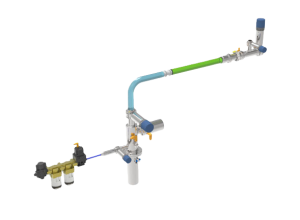
Rapidly expanding typical clothes washing market, slugging methods grant a major asset in operating laundry detergent. This innovative method minimizes loss of high-strength powder by utilizing a pig to propel it through the conduit – effectively emptying the vessel. Knowing the basics of these systems can lead to cost savings and a more sustainable execution.
Detergent Pushers Revamp Cleaner Dispensing
The conventional method of dispensing washing detergent presents significant challenges, often leading to leftovers and insufficient effectiveness. However, a revolutionary approach – pigging systems – is dramatically altering how companies handle these significant materials. These systems utilize a supple "pig," a dense apparatus, to drive the detergent through a conduit, well eliminating gaps and ensuring nearly entire product retrieval. Benefits include shrunk excess, enhanced performance, and a decreased environmental aftermath.
- Lessens detergent discard
- Enhances performance output
- Supports sustainable practices
Optimizing Laundry Detergent Flow with Pigging Technology
Improving functionality in garment care facilities often involves addressing challenges related to detergent flow. Traditional systems frequently experience spillage due to residual detergent clinging to pipes and lines, leading to increased operational payments. Pigging methods, originally utilized in the energy industry, provides a compelling fix to this problem. By sending a “pig”—a specialized mechanism—through the detergent tubes, these systems effectively discard remaining product, maximizing output and minimizing inefficient material. This ultimately results in a more green and profitable laundry method for establishments.
Merits of Displacement Techniques for Detergent Powder Production
Implementing pipeline pigging offers weighty upsides for washing agent manufacturing facilities. These systems skillfully remove product deposits from tubes, minimizing loss and curtailing gaps during sanitation. Consequently, comprehensive efficiency is boosted, generating lower spending and a nature-friendly process. Furthermore, pigging technology facilitates to guarding consistency by preventing intermingling between segments and ensuring a spotless final formulation.
Diminishing Leftovers and Optimizing Process: Detergent Pigging
Laundry wash product manufacturing can yield significant remnants material, but a progressive process called “pigging” offers a solution to lessen this difficulty. This procedure involves using a elastic tool, the "pig," to transfer remaining product from the manufacturing lines, often deemed as waste. By salvaging this previously thrown away fabric cleaner, companies can distinctly cut expenses and enhance overall factory performance. The environmental perks are also noteworthy, as it lowers the measure of residue sent to trash sites.
- Curtails Material Payments
- Upgrades Industrial Capability
- Lowers Environmental Effect
Utilizing Pig Systems for Cleaner Product Handling
To advance performance and lower downtime in your laundry washing agent operation unit, assess introducing a scraping system. This modern technology robustly evacuates retained substance and build-up from lines, thereby upgrading capacity and curtailing scrap. A well-designed pigging initiative can also magnify the span of your pipeline infrastructure, contributing to substantial fiscal decreases and a more responsible business.
Eco-Friendly Approaches in Fabric Soap Pigging
The practice of laundry washing solution recovering presents a promising strategy towards a improved green future. Regularly, leftover cleaner remains in wrappings pigging system for laundry detergent become scrap material, adding to conservation load. However, this innovative process involves gathering these retained volumes and reclaiming them into profitable products, particularly soil amendment or factory materials.
- Lessens trash scale
- Minimizes asset diminishing
- Offers a recycling trade pattern
Creating Cleaning Pigging Units for Washing Agents
The design of a displacement installation for fabric cleanser product uses presents particular concerns. Meticulous analysis must be given to the fatness of the formula, which can alter considerably depending on configuration and temperature. Additionally, the harshness of certain components necessitates the preference of strong tool compound and fitting duct structure. Successful slugging involves a focused pressure shape to ensure total evacuation of lingering product and prevent obstructions or injury to the channel structure.
Diagnosing and Servicing Washing Product Pipeline Technology
Regular preventative repair and timely failure analysis are indispensable for increasing the operation of laundry detergent pigging systems. Frequent issues involve blockages within the line, detergent buildup affecting flow, and sensor failures. Periodic inspections, involving mechanical examinations of hoses, junctions, and the pig itself, are imperative. Correcting these problems promptly – often through cleaning the system or substituting worn components – can minimize costly idle time and enhance the functional period of the entire construction.
